A person can start taking opioids after surgery, after an injury, or during a period of physical pain and still end up somewhere they never expected. Opioid addiction rarely begins with a plan to lose control. More often, it develops gradually – then all at once – as tolerance rises, daily routines unravel, and the drug becomes tied to survival, relief, or emotional escape.
For individuals and families, that shift can be hard to name. People often wonder whether they are dealing with pain management, misuse, dependence, or a full substance use disorder. Those distinctions matter clinically, but what matters most in real life is this: when opioid use starts driving behavior, damaging health, and making it hard to stop despite consequences, professional treatment should be on the table.
What opioid addiction actually looks like
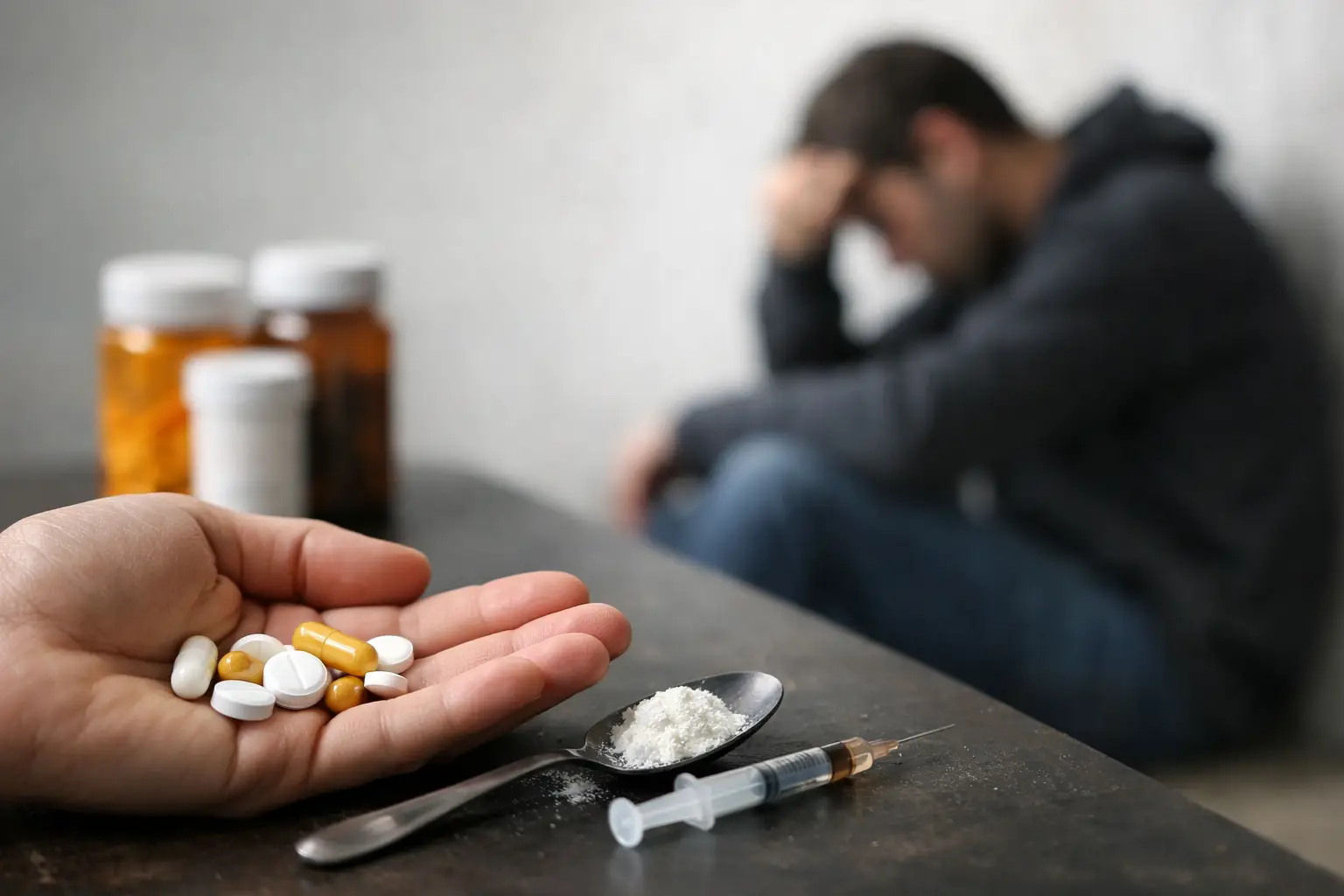
Opioids include prescription pain medications such as oxycodone, hydrocodone, morphine, and codeine, as well as illicit opioids like heroin and illegally manufactured fentanyl. These drugs act on the brain’s reward and pain systems. They can reduce pain and produce feelings of calm or relief, but they also carry a high risk for tolerance, physical dependence, and addiction.
Opioid addiction is not defined by weak character or lack of willpower. It is a chronic, treatable condition that changes the way the brain responds to stress, reward, cravings, and decision-making. That does not remove personal responsibility, but it does explain why promises to stop often collapse without structure, support, and clinical care.
Some people maintain jobs and outward responsibilities for a period of time. Others decline quickly. The pattern depends on the substance being used, how long use has been happening, mental health history, trauma, housing stability, and whether other drugs or alcohol are involved. It also depends on access. Fentanyl has made opioid addiction more dangerous because potency is unpredictable and overdose risk is far higher.
Signs of opioid addiction families often notice first
In many households, the first red flags are behavioral rather than dramatic. Someone may sleep at unusual times, nod off during conversations, isolate from family, miss work, or become defensive when asked simple questions. Money problems may show up before the full truth does. Prescriptions may run out early. Personal hygiene, motivation, and follow-through often decline.
Physical signs can include pinpoint pupils, drowsiness, slowed breathing, constipation, nausea, flu-like withdrawal symptoms, and a noticeable change in energy or alertness. Over time, opioid use may become the center of the day. The person is no longer using to feel good. They are using to avoid getting sick, emotionally overwhelmed, or unable to function.
A major point of confusion for families is the difference between dependence and addiction. Physical dependence can happen even when someone takes medication as prescribed for a period of time. Addiction involves compulsive use, loss of control, continued use despite harm, and preoccupation with obtaining or using the substance. There can be overlap, and only a clinical assessment can sort that out properly.
Why people keep using even when they want to stop
This is the question many loved ones ask after broken promises, job loss, legal trouble, or overdose scares. The answer is not simple, but it is understandable. Opioids can quiet both physical pain and emotional pain. For some people, they become a fast way to manage anxiety, trauma symptoms, depression, grief, or internal agitation.
When withdrawal starts, the body reacts hard. Cravings intensify. Sleep gets disrupted. Anxiety spikes. Muscles ache. Nausea and sweating can become severe. At that point, using again may feel less like a choice and more like a desperate attempt to function. That is one reason short bursts of motivation are often not enough. Without treatment, the cycle tends to repeat.
The risks of untreated opioid addiction
The most obvious danger is overdose, especially with fentanyl now present in many illicit drug supplies. Even people who believe they know their tolerance can be caught off guard by potency changes, contamination, or mixing opioids with alcohol or benzodiazepines. Slowed or stopped breathing can happen quickly.
But overdose is not the only risk. Untreated opioid addiction can lead to infections, serious withdrawal complications, impaired judgment, accidents, legal problems, housing instability, family disruption, and worsening mental health. Shame also grows over time, and shame keeps people isolated. Isolation keeps addiction alive.
For adults with co-occurring mental health conditions, the risk is even greater. Depression, anxiety, trauma-related symptoms, and mood instability can all intensify substance use and relapse. If treatment focuses only on the drug use and ignores the emotional drivers underneath it, recovery is usually less stable.
Opioid addiction treatment is not one-size-fits-all
People often ask what kind of treatment works best. The honest answer is that it depends on severity, safety, living environment, relapse history, physical health, and mental health needs. Someone with a strong support system and lower instability may do well in outpatient care. Someone with repeated relapse, unsafe housing, heavy use, or co-occurring disorders may need a higher level of structure.
That is where residential treatment can make a real difference. A structured residential setting removes the person from immediate access, chaotic environments, and daily triggers. It also gives them time to stabilize physically and mentally while building recovery habits that are hard to build in the middle of crisis.
When residential care makes sense
Residential treatment is often appropriate when opioid use has become persistent, relapse keeps happening, or the home environment is not supporting recovery. It can also help when a person needs 24/7 supervision, accountability, and integrated care for both substance use and mental health symptoms.
In a strong residential program, treatment is not just about stopping drug use. It includes behavioral therapies, relapse prevention planning, emotional regulation work, life skills, peer accountability, and a daily routine that helps rebuild discipline. For many adults, that structure is not restrictive. It is stabilizing.
In the Phoenix area, this kind of care can be especially valuable for individuals who have already tried to manage recovery through short-term efforts and found themselves back in the same cycle. Lasting change often requires more than detox and good intentions.
What effective treatment for opioid addiction should include
Detox may be the first step for some people, but it is not the full treatment plan. Once the body is cleared of opioids, the real work begins. People need tools to handle cravings, stress, guilt, anger, boredom, conflict, and the practical demands of everyday life.
Evidence-based therapies are central to that process. Cognitive Behavioral Therapy helps people identify thought patterns and behaviors that fuel use. Dialectical Behavior Therapy can help with emotional regulation, distress tolerance, and impulsivity. Motivational Interviewing helps strengthen commitment to change without relying on shame or confrontation.
Good care also addresses relapse prevention in concrete terms. That means identifying triggers, building routines, repairing decision-making, practicing refusal skills, and developing a plan for what happens after residential treatment ends. Transitional support matters. A person is most vulnerable when they leave a controlled setting and return to daily life.
For some individuals, medication-assisted treatment may also be part of recovery planning. This decision should be made with qualified medical guidance. For the right person, medication can reduce cravings and lower overdose risk. For others, treatment plans may look different. What matters is clinical fit, not ideology.
What families can do right now
Families often wait too long because they are trying to avoid making things worse. They may be covering financial gaps, explaining away behavior, or hoping the next promise will hold. That response is understandable, but it can unintentionally prolong the problem.
A better first step is calm, direct action. Document what you are seeing. Stop arguing about whether there is a problem. Ask for a professional assessment. Focus on safety, treatment options, and next steps rather than trying to win a debate at home.
It also helps to understand that support and accountability are not opposites. A person struggling with opioid addiction needs compassion, but they also need boundaries. The goal is not punishment. The goal is to stop organizing family life around the addiction and start organizing around recovery.
Step One Behavioral & Residential works from that understanding every day. Recovery is personal, but it is not supposed to be improvised.
Recovery is possible, but it needs a real foundation
People do recover from opioid addiction, even after relapse, overdose, or years of instability. Recovery does not usually begin with perfect clarity or confidence. It begins when the person and the people around them stop minimizing what is happening and start choosing a level of care that matches the reality of the situation.
If opioid use has taken over daily life, the answer is not to wait for things to get worse before asking for help. Structure, community, clinical treatment, and time away from the pressures that keep the cycle going can create the space a person needs to rebuild. Sometimes the most hopeful step is also the most disciplined one: getting into treatment and staying long enough for change to take hold.
Opioid Addiction: Signs, Risks, and Help
Opioid addiction can affect individuals and families from all walks of life. Recognizing the warning signs early and understanding available treatment options may help people seek support before the consequences become more severe.
1. Recognizing the Signs of Opioid Addiction
Common signs of opioid use disorder may include increased tolerance, withdrawal symptoms, changes in sleep patterns, social withdrawal, neglecting responsibilities, cravings, and continued opioid use despite negative consequences. National Institute on Drug Abuse (NIDA) – The Opioid Overdose Crisis
2. Understanding the Risks
Opioid misuse can increase the risk of overdose, respiratory depression, infectious diseases, legal problems, and significant impacts on relationships, employment, and overall health. Centers for Disease Control and Prevention (CDC) – Prescription Opioids
3. Effective Treatment and Recovery Support
Evidence-based treatment often includes behavioral therapies, recovery support services, and individualized treatment planning that addresses both substance use and co-occurring mental health concerns. SAMHSA – Find Treatment and Support
4. Recovery Is Possible
Recovery from opioid addiction is an ongoing process. Early intervention, professional support, family involvement, and continuing recovery resources can help individuals build healthier and more stable lives. SAMHSA – Recovery and Recovery Support
Disclaimer: This content is intended for educational purposes only and should not be considered medical advice, diagnosis, or treatment recommendations. If you suspect an opioid overdose, call 911 immediately and administer naloxone if available. Treatment needs vary by individual and should be discussed with qualified healthcare professionals.