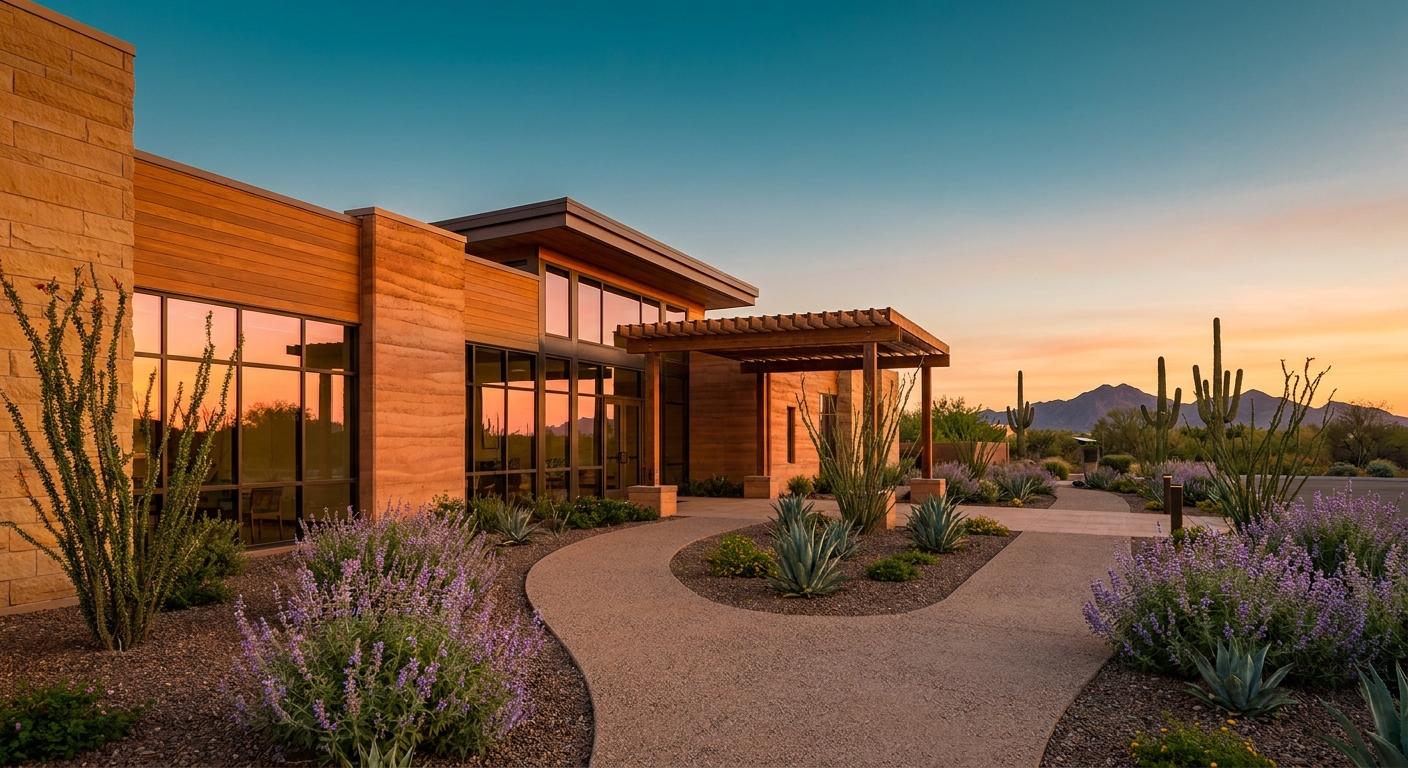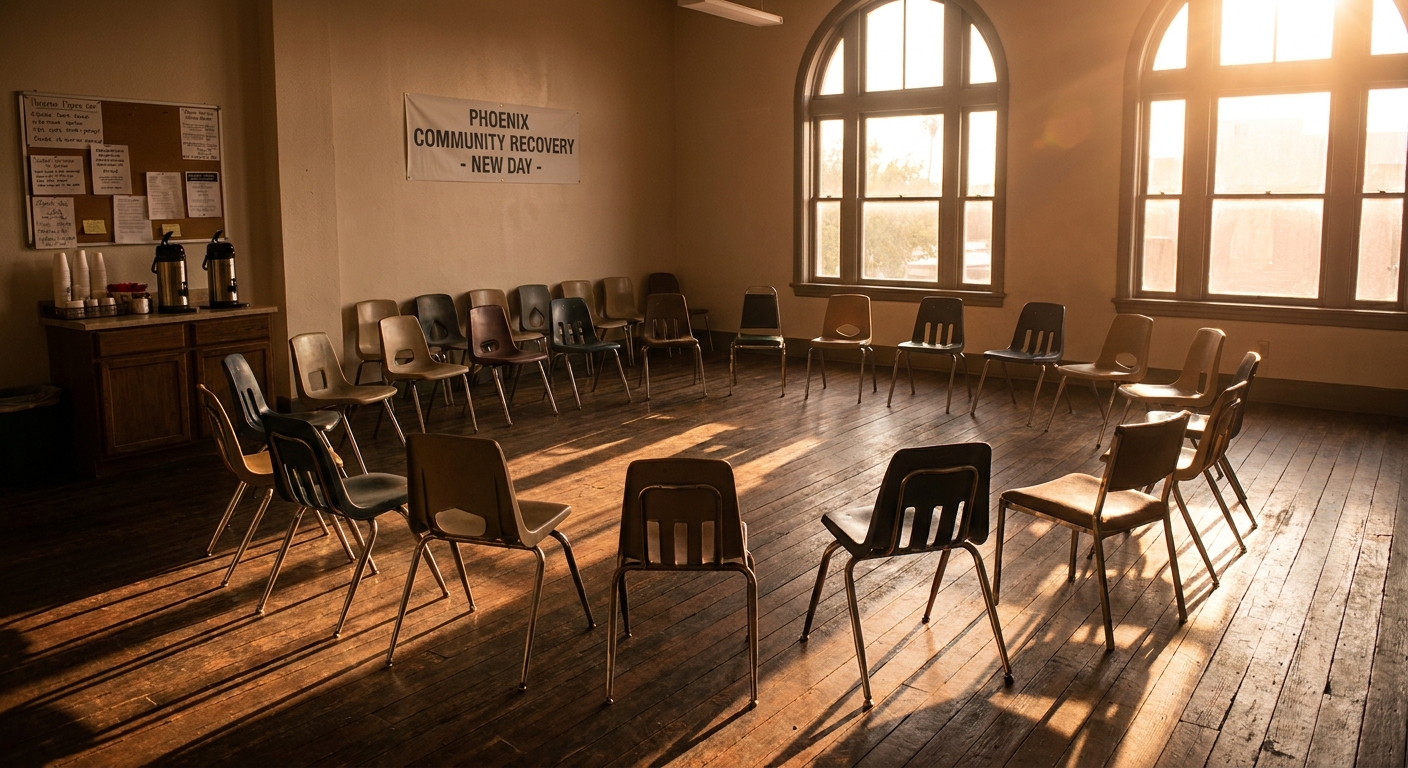

The transition out of treatment is the highest-risk window in early recovery, and where someone sleeps during those first months matters more than most people expect. A recovery residence in Phoenix, AZ gives men a structured, accountable environment after treatment ends , not a clinical setting, but not unsupervised independent living either. This article explains exactly what a recovery residence is, how it works in Arizona, and how to evaluate your options.
What Is a Recovery Residence?
A recovery residence is a supervised, structured living environment for people in early sobriety. No clinical staff are present around the clock, but daily accountability, peer support, and house rules replace that clinical oversight with a different kind of structure. In Arizona and nationally, “recovery residence” and “sober living home” are used interchangeably , they describe the same model.
The stakes for getting this transition right are real. SAMHSA’s 2023 National Survey on Drug Use and Health found that roughly 48.7 million Americans met criteria for a substance use disorder in the prior year, and that post-discharge relapse rates spike sharply in the first 90 days after leaving residential treatment. A recovery residence is designed specifically to cover that window.
How a Recovery Residence Works
The day-to-day mechanics are straightforward: curfews, mandatory attendance at AA or NA meetings, regular drug testing, chore assignments, house manager oversight, and requirements to maintain employment or participate in an outpatient program. The structure is intentional , it reduces idle time, builds routine, and keeps a resident connected to his recovery community while he regains financial and personal footing.
Research supports the value of staying in structured housing longer rather than shorter. A landmark series of studies on Oxford Houses by Jason et al., tracking more than 900 residents across multiple sites, found that men who remained in structured sober living for 12 months or more showed significantly lower relapse rates and higher employment rates compared to those who returned directly to independent living. The mechanism is straightforward: structure reduces decision fatigue during the period when the recovery foundation is still being built.
The practical takeaway is simple. Before committing to any house, ask directly about its drug-testing schedule and how often house meetings are held. A home that tests infrequently or skips mandatory house meetings is not running the model that produces better outcomes.
Arizona Licensing and Certification Standards
Arizona requires structured sober living homes to be licensed through the Arizona Department of Health Services (ADHS). A second accountability layer comes through certification by the Arizona Recovery Housing Association (AzRHA). Phoenix also maintains its own licensing program for sober living homes, documented through the city’s licensing office.
What this means in practice: a licensed and certified home has passed physical inspections, background checks on staff, and minimum habitability standards. An unlicensed home has none of that oversight, and a resident moving in without verifying license status has no baseline assurance about the environment. The action here is simple , verify ADHS license status before any move-in date.
Who Benefits from a Recovery Residence in Phoenix
The primary candidate is someone who has completed detox or a residential treatment program and needs a bridge before fully independent living. Secondary candidates include individuals court-ordered into structured sober living, people whose home environment poses a clear relapse risk, and men rebuilding employment and finances after addiction disrupted both.
NIDA’s 2022 research on post-treatment relapse timelines identified the 30-to-90-day window after discharge as the period of highest vulnerability. The risk is not abstract. If a discharge planner, probation officer, or case manager recommended a recovery residence, that recommendation reflects exactly this risk data. When the treatment program and the housing are connected under the same provider rather than pieced together from separate sources, the step-down is smoother and the gap where people fall through closes considerably. You can find a full breakdown of how to compare your housing options after treatment if you’re weighing different paths.
What to Expect at a Phoenix Recovery Residence
The physical environment is shared rooms, a communal kitchen, and common areas. The social environment centers on peer accountability, with house managers who are typically in recovery themselves. The daily schedule combines work or outpatient appointments with 12-step meetings and house obligations.
Phoenix’s size is an advantage here. The metro area has dense AA and NA meeting schedules, accessible outpatient providers, and a broad employment market within a reasonable commute from most neighborhoods. For men building structure into early recovery in Phoenix, the city’s scale means fewer logistical obstacles to participating fully.
Visit in person before committing. The quality of peer culture inside the house matters as much as the rules written on paper, and you cannot assess culture from a website.
Recovery Residences vs. Other Housing Options in Phoenix
Three options come up most often when someone is leaving residential treatment. Returning home offers the lowest structure and the highest relapse risk, particularly when the home environment was connected to using. A recovery residence provides moderate structure, peer accountability, and relatively low cost. Inpatient residential treatment carries the highest clinical intensity, but is not appropriate for someone who has already completed that level and is clinically stable.
The American Society of Addiction Medicine (ASAM) level-of-care criteria give clinicians and case managers a standardized framework for matching a person to the right level. When a treatment team recommends a particular level of care, those recommendations follow ASAM criteria , use that framework as a checklist rather than guesswork. If you want a plain-language comparison of the different types of transitional housing available in Phoenix, that breakdown covers the full spectrum.
Cost and Insurance Coverage for Sober Living in Phoenix
Most recovery residences in the Phoenix metro charge between $500 and $1,500 per month, depending on amenities and certification level. Sober living rent itself is not covered by insurance. What insurance often does cover are the services layered around residency: Intensive Outpatient Program (IOP) treatment, case management, and individual therapy.
Nonprofit facilities operate on a different cost structure than for-profit luxury homes. The goal of a nonprofit recovery residence is access, not premium pricing, which is why cost-conscious families and individuals often find that nonprofit options deliver comparable accountability at a fraction of the price.
The action before discharge: call your insurance provider and ask specifically whether IOP services attached to a recovery residence are covered under the plan. That single call clarifies cost before commitment.
How to Choose a Recovery Residence in Phoenix
Five questions cut through the noise when evaluating any home. Is it ADHS-licensed? Is it AzRHA-certified? What is the drug-testing protocol? What happens when a resident relapses? What is the average length of stay? A 2021 SAMHSA guide on recovery housing quality indicators connected each of these accountability structures directly to better resident outcomes , homes that can answer all five questions clearly are operating the model that produces results.
A home that cannot answer all five questions clearly is not ready to support early recovery. That is not a harsh judgment; it is a practical filter.
Recovery Residences for Men in Phoenix
Gender-specific homes serve a real purpose beyond preference. A men’s-only environment reduces interpersonal distractions and keeps the house culture focused on work-readiness, accountability, and the specific patterns that derail men in early recovery: isolation, emotional avoidance, and the temptation to project stability before it exists. Research on Oxford Houses by Jason et al. found that gender-specific houses reported stronger internal cohesion and lower rates of early departure compared to mixed environments.
When calling a home, ask what percentage of current residents are actively employed or enrolled in a program. That number is the fastest proxy for house culture. A house where most residents are working or in programming is a house where accountability is real, not just stated. For a detailed look at evaluating men’s housing options in Phoenix, including what questions to prioritize, that guide covers the process step by step.
Confirm Licensing Before Anything Else
Pull up the Arizona Department of Health Services licensing search tool today and confirm that any recovery residence under consideration holds a current ADHS license. That single check takes under five minutes. It does not tell you everything about a home, but it removes the single biggest structural risk in the selection process , moving into an unlicensed environment with no regulatory accountability. Start there, then move to the five evaluation questions above.