
Supporting a loved one through addiction recovery can be both challenging and deeply meaningful. Families often play a critical role in the recovery process, providing encouragement, stability, and accountability during a time of significant change.
One of the most important steps families can take is educating themselves about addiction. Substance use disorders affect brain function, behavior, and decision-making. Understanding addiction as a health condition—not a moral failure—can help families respond with compassion rather than frustration.
Effective communication is also essential. Conversations about recovery should be approached with empathy, patience, and honesty. Avoiding blame and focusing on concern can help create a safe space where your loved one feels supported rather than judged.
At the same time, it is important to establish healthy boundaries. Supporting someone in recovery does not mean enabling harmful behavior. Boundaries may include refusing to provide financial support for substance use or encouraging accountability in daily responsibilities. These boundaries help protect both the individual and the family.
Families should also remember to take care of themselves. Supporting someone through recovery can be emotionally demanding. Many family members benefit from counseling or peer support groups, where they can share experiences and receive guidance from others facing similar challenges.
Recovery is a long-term process that often includes setbacks and progress. Maintaining consistency, encouragement, and realistic expectations can help strengthen long-term outcomes.
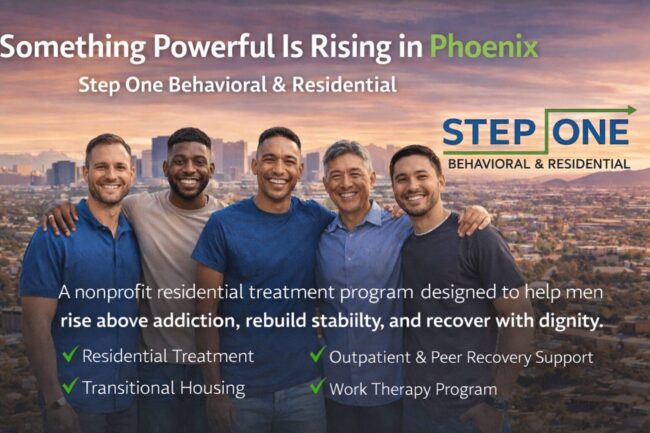
Step One Behavioral & Residential is providing recovery-focused services in Phoenix, Arizona.