Residential treatment is one of the most effective levels of care for individuals struggling with substance use disorders. But one of the most common questions families ask is:
“How long does residential treatment actually last?”
The answer depends on several factors including the severity of addiction, co-occurring mental health conditions, and the individual’s progress in recovery.
Typical Length of Residential Treatment
Most residential treatment programs fall into one of these timeframes:
Program Length Description
30 Days Stabilization and early recovery
60 Days Deeper therapeutic work
90 Days Strong foundation for long-term recovery
120+ Days Extended treatment for complex cases
Research shows longer stays often lead to better outcomes, especially for individuals with long histories of substance use.
- What Happens During Residential Treatment?
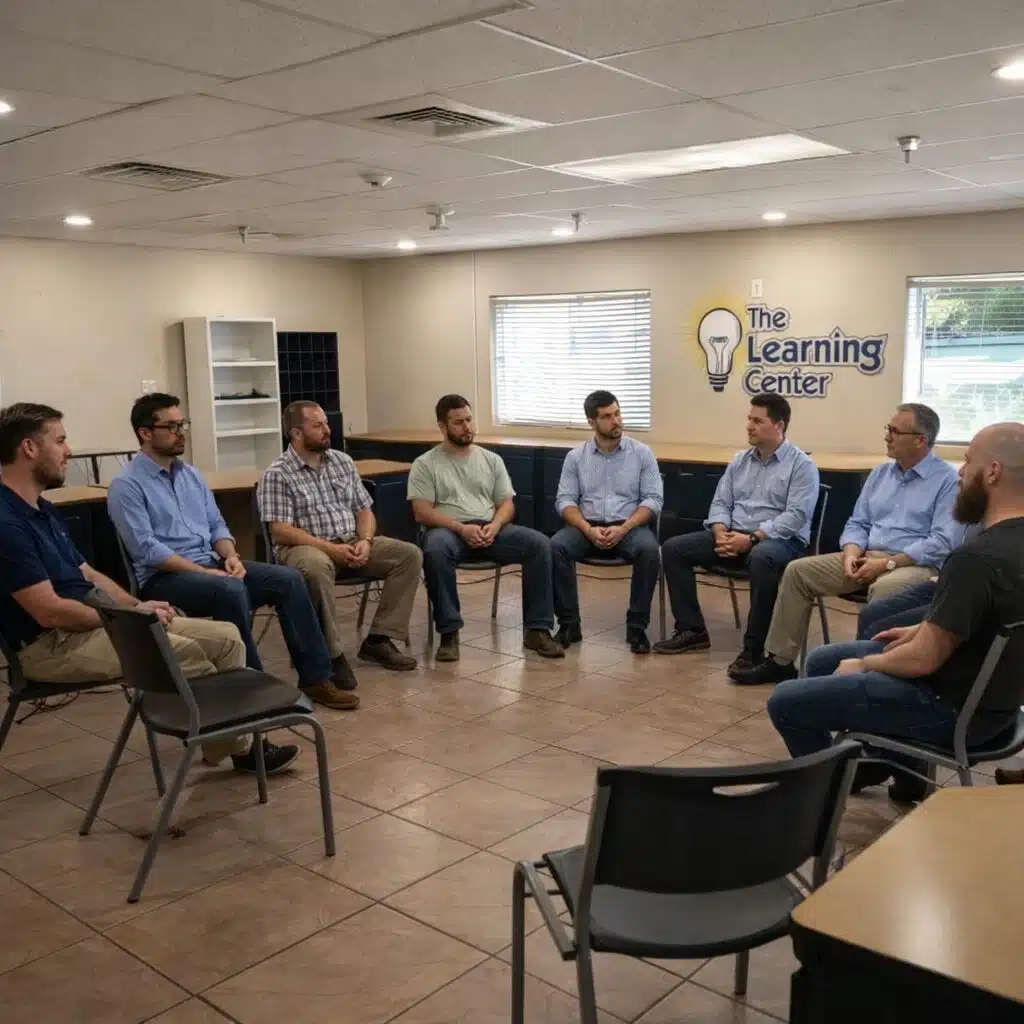
2.Residential treatment provides a structured environment focused on recovery.
3.Typical daily programming includes:
4.Individual therapy
5.Group counseling
6.addiction education
7.relapse prevention
8.life skills training
9.peer recovery support
Clients also develop routines that support long-term sobriety.
Why Some People Stay Longer
Several factors can extend treatment length:
Dual diagnosis (mental health disorders)
Chronic relapse history
Lack of stable housing
Court-ordered treatment
Medical complications
Programs often adjust length of stay to ensure clients leave with the best chance at sustained recovery.
What Happens After Residential Treatment?
Recovery does not stop after residential care.
Most individuals transition into:
Intensive Outpatient Programs (IOP)
Outpatient therapy
Peer recovery support
workforce or life-skills programs
Continuing care significantly improves long-term outcomes.
Getting Help in Phoenix
If you or someone you love is struggling with addiction, Step One Behavioral & Residential in Phoenix, Arizona provides structured residential treatment designed to help men stabilize, recover, and rebuild their lives.